The Honest Answer, Up Front
Most businesses see meaningful movement in rankings and calls within 3 to 6 months. Google Business Profile improvements can show up faster, often within 4 to 8 weeks, since a completed, active profile is a signal Google can act on almost immediately. Full organic ranking movement, the kind that shows up as a steady increase in calls, takes longer because it depends on Google trusting a pattern over time, not a single fix.
That's not a hedge. It's genuinely the answer, and anyone who tells you SEO will meaningfully move the needle in two weeks is either describing a paid ad campaign by mistake or setting you up for a conversation neither of you wants to have in month two. We could tell you three weeks. You'd feel great for twenty-one days. Then you'd feel considerably less great.
Why This Question Comes Up So Often
It's usually not really a question about SEO. It's a question about risk. A business owner considering a monthly retainer wants to know how long they're exposed before they see evidence it's working, and that's a completely reasonable thing to want to know before committing budget.
Part of the confusion comes from comparing SEO to paid search, where results are instant because you're renting a position, not earning one. Paid search delivers a click the moment the ad goes live, and stops delivering the moment you stop paying. SEO works on a completely different mechanism: it builds trust signals with Google over time, and those signals compound instead of resetting. The upfront wait is the cost of that compounding.
The Local SEO Timeline, Phase by Phase
Here's roughly what's happening behind the scenes at each stage, so "it takes 3 to 6 months" doesn't feel like a black box.
| Timeframe | What's Happening | What You'll Notice |
|---|---|---|
| Weeks 1–4 | Audit, GBP correction, citation cleanup, on-page fixes | Little to nothing visible yet |
| Weeks 4–8 | GBP activity and completeness signals take effect | Map pack position may start shifting |
| Months 2–4 | On-page content and review growth begin compounding | Gradual increase in impressions and calls |
| Months 3–6 | Organic rankings for target keywords stabilize and climb | Consistent, measurable increase in leads |
| Month 6+ | Authority compounds; new content ranks faster | Results accelerate rather than plateau |
This is a typical pattern, not a guarantee. Competitive keywords in dense markets can push the back half of this timeline out further. Less competitive categories can pull it in.
What Actually Speeds This Up
- ✓A Google Business Profile that already exists, even if it's neglected, beats starting from zero
- ✓Lower local competition in your specific category and area
- ✓An existing base of real reviews, even a small one
- ✓Consistent business citations already in place across major directories
- ✓A website that isn't actively working against you (broken, painfully slow, or missing basic pages)
- ✓Fast internal turnaround on the fixes an audit surfaces
What Slows It Down
- ✗An unclaimed or barely-filled-out Google Business Profile
- ✗Inconsistent name, address, or phone number across directories
- ✗A thin or stale review profile with nothing recent
- ✗Highly competitive keywords in a dense market with entrenched incumbents
- ✗A brand-new business with zero online history to build from
- ✗Starting, pausing, and restarting the effort instead of staying consistent
That last one deserves its own sentence: inconsistency is a bigger drag on timeline than almost any technical factor. SEO compounds. Stopping and restarting doesn't just pause the compounding, it often forces some of the foundational work to be redone.
What Happens If You Stop Too Early
The most common way local SEO "fails" isn't a bad strategy, it's an owner who starts, doesn't see a dramatic shift in month two, and quietly stops paying attention right before the compounding was about to kick in. Reviews stop coming in. GBP posts stop going up. Content stops publishing. Rankings that were building momentum flatten out, or slide back.
It's the marketing equivalent of pulling a cake out of the oven at the twenty-five minute mark because it "doesn't look done yet," then wondering why it collapsed. Then, six months later, a new attempt starts from a worse position than the first one did, because some of the foundational trust that had been building has gone stale in the meantime. Stopping and restarting doesn't just pause progress, it often costs more than staying the course would have.
This is less a technical problem than an expectations problem. Knowing the real timeline going in is usually enough to prevent it.
How to Know It's Working Before Rankings Show It
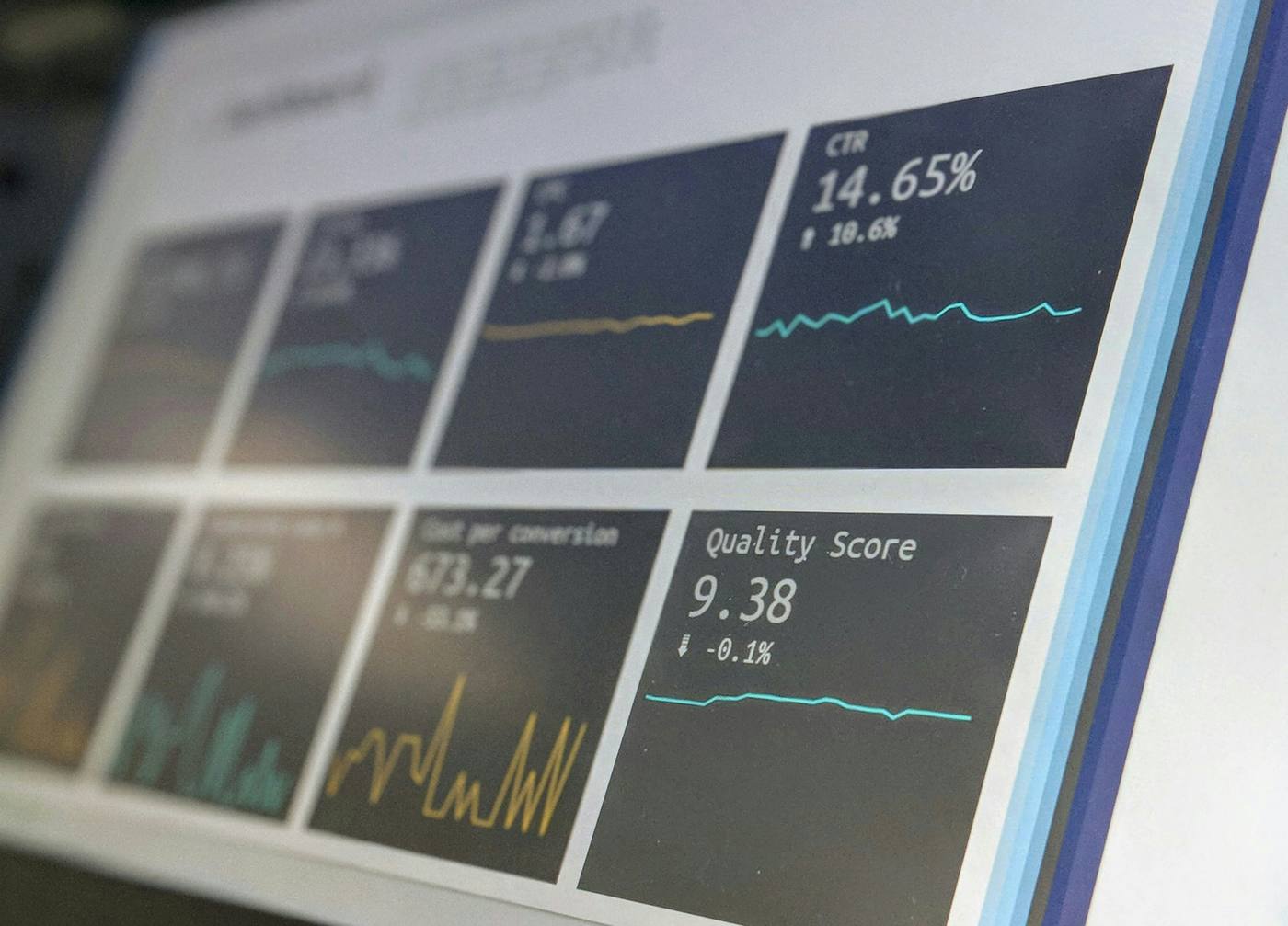
Rankings are a lagging indicator. By the time they move, the work behind them has usually been compounding for weeks already. A few earlier signals worth watching in the meantime:
- ✓Google Business Profile views, calls, and direction requests trending up week over week
- ✓New reviews arriving at a steadier pace than before
- ✓Impressions (not yet clicks) increasing in Google Search Console for target keywords
- ✓Your listing showing up for a wider range of related search terms, even outside the top 3
- ✓Fewer citation inconsistencies showing up in directory audits
None of these guarantee a ranking jump on a specific date. But together, they're a much better early signal than staring at your map pack position every morning and getting discouraged when it hasn't moved yet.
Why the Wait Beats the Alternatives
SEO's three-year average ROI runs around 702%, according to First Page Sage, well ahead of most other marketing channels over the same window. The reason isn't that SEO works faster. It's that it doesn't stop working the moment you stop paying for it, the way paid search does.
72.9% of top-ranking pages are more than three years old, according to Ahrefs. That's not evidence that SEO is slow for its own sake, it's evidence that once a page earns its position, it tends to hold it for a long time, generating leads well past the point where a comparable ad budget would have run dry.
The wait is real. But it's a wait that ends with an asset instead of a receipt.
Frequently Asked Questions
The Bottom Line
Local SEO takes 3 to 6 months to show meaningful results, with Google Business Profile improvements often visible sooner. That timeline isn't a flaw in the channel, it's the mechanism by which SEO becomes a compounding asset instead of a rented position that disappears the moment you stop paying for it.
If you want a system that gets faster instead of resetting every month, the wait is the price of admission. Most businesses that stick with it for six months stop asking this question, because by then the calls have started answering it for them.
(Longer than you want, shorter than you fear. We stand by the headline. We also stand by the part where you don't check out of the whole thing in week three.)